
What I Learned Testing 12 Peel & Stick Wallpapers on Smooth Walls

Here’s what nobody’s telling you about removal, damage, and timing.
This entire post exists because I panicked.
A few years ago, for my first-ever wallpapering experience, I installed an entire room (with 17 foot ceilings) of wallpaper. I chose peel-and-stick because it’s supposed to be simple, DIY-friendly, and easy to remove. Perfect. I put up my first-ever panel, and noticed it wasn’t exactly straight. That first one HAS to be straight, or else your whole room will be crooked as you build on it. So I went to remove the panel I’d just put up, which had been on the wall for maybe two minutes. When I peeled it back to reposition it, it took drywall with it.

At that moment, I thought two things very quickly:
- Peel-and-stick wallpaper is not as harmless as people make it sound.
- I should probably figure this out before recommending it to anyone ever again.
Up until then, I had only had good thoughts about peel-and-stick wallpaper – renter-friendly, easy, low-commitment. What’s not to love? But what I was experiencing didn’t feel friendly at all. It felt risky. Dangerous. I kept installing the wallpaper though, making peace with the fact that I could probably never take it down…at least not without some major wall repairs afterwards.
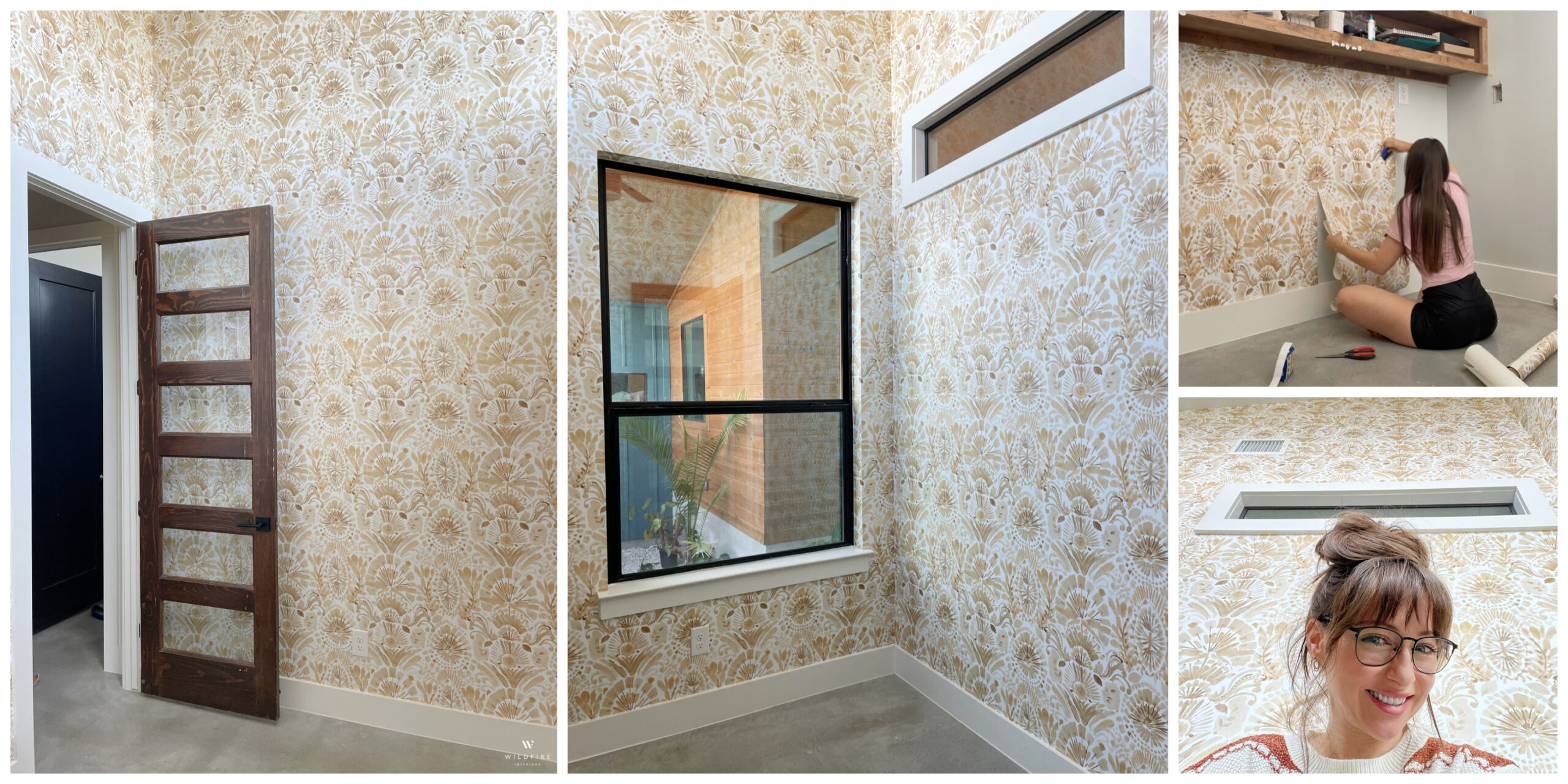
A saner person would have stopped here and called it good. But I’m not that person. I’m curious. Why did it do that? Do they all do that? Is the whole industry lying to us? I had to find out.
So I decided to start testing peel-and-stick wallpapers.
TL;DR
Just want to know the winners? As you wish.
- Rifle Paper Co (best overall)
- Anewall (runner-up)
- NuWallpaper (best budget option)
- RoomMates (budget runner-up)
Testing Method & Brands Used
At this point I was convinced that the brand was the problem. Because adhesive wallpaper has a good reputation, and a cover-up of this magnitude would be nearly impossible. Someone’s going to slip. Tell the truth. Maybe that person is me. Am I going to singlehandedly take down a whole industry with a random sheet of drywall and a focused moment of hyper-fixation? Let’s find out.

To remove as many variables as possible, I tested everything on smooth drywall painted with an eggshell finish, same as the wall where I originally ran into trouble. I purchased a new sheet of drywall for this, because, well…you saw what it did to my wall. I literally painted it with the same bucket of paint that was used in my office.
Here’s the lineup of brands I tested, listed from least expensive to most expensive.
- InHome – $15 – $30 per roll (20.8in x 18ft). Readily available online and in person.
- Floral Plus – Roughly $17 for a very small roll (17.7in x 9ft). Available on Amazon.
- NuWallpaper – Roughly $30 per roll (20.5in x 18ft). Readily available online and in person
- Tempaper – Roughly $30 per roll (20.5in x 16.5ft). Readily available online and in person.
- RoomMates – Roughly $30 per roll (20.5in x 16.5ft). Readily available online and in person.
- Threshold – $34 per roll (20in x 16.5ft). Available only at Target.
- Opal House – $34 per roll (20in x 16.5ft). Available only at Target.
- Rifle Paper Company – $65 per roll (20.5inx20ft).
- Love vs. Design – $3.75 – $4.50 per sq ft, depending on which type you pick.
- Anewall – $389-$499 for a 141” W x 108” H mural. Comes out to about $60-$75 per roll.
- Serena & Lily – $98 per roll (20.5in x 16.5ft).
- Spoonflower – $129 for a small roll (2×12 ft).
Test #1: Removing Peel & Stick Wallpaper After One Week
I wasn’t originally planning to do multiple tests. My plan was simply to put all 12 samples up on the drywall, leave them for a week, pull them off, and see which ones caused damage. From there, I’d recommend the best brands and be done with it. Easy.
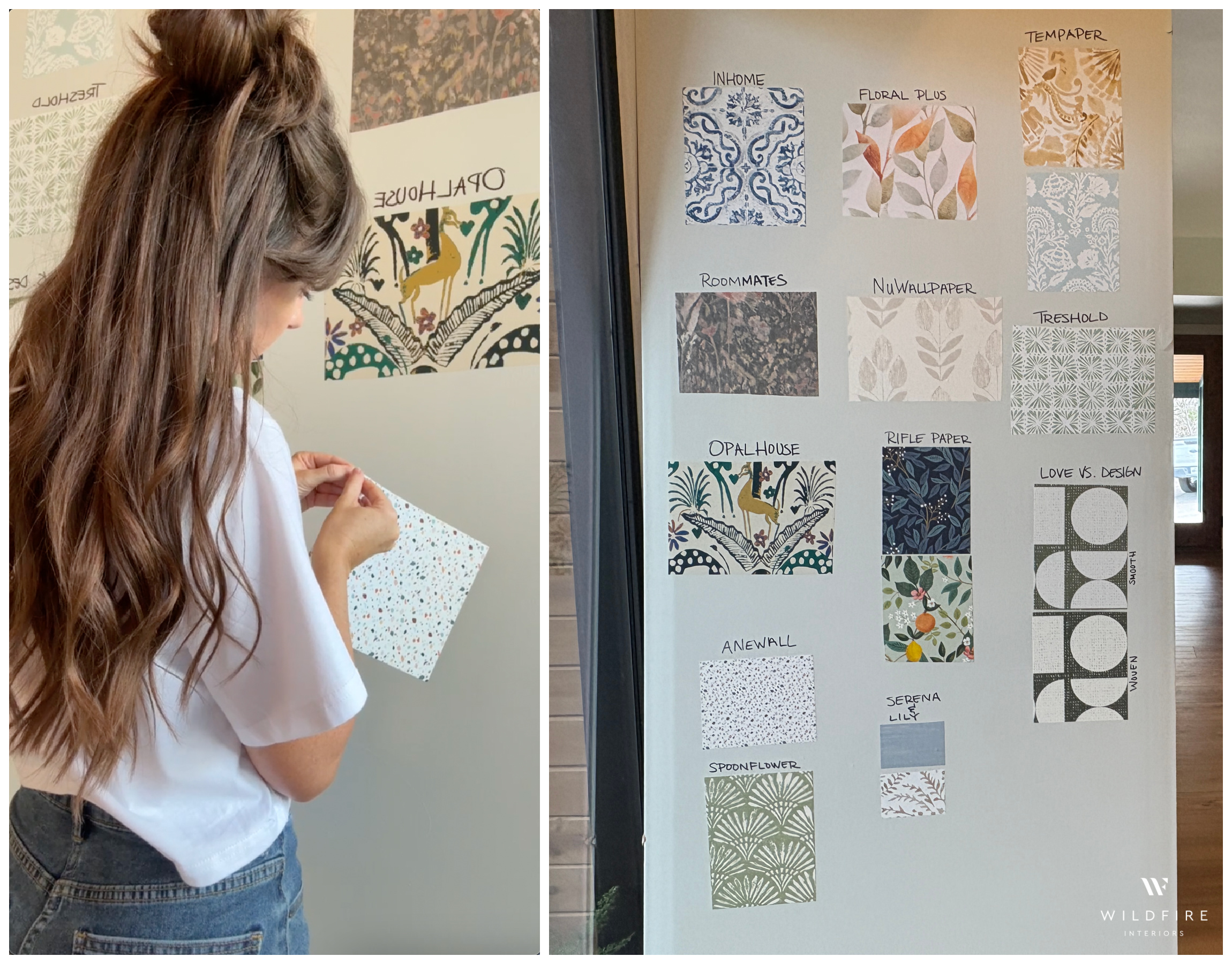
After letting them marinate for a week, I carefully pulled them off…notebook in hand, like a real whistle-blowing scientist.
The results were interesting. About half the brands pulled off paint (and even some drywall) when removed. Some were minor, some were worse, but enough damage occurred to confirm my initial fear: peel-and-stick wallpaper can absolutely damage your walls.
Here is how each brand fared –
- InHome – No damage
- Floral Plus – No damage
- NuWallpaper – no damage
- Tempaper – damage
- RoomMates – no damage
- Threshold – damage
- Opal House – damage
- Rifle Paper Company – no damage
- Love vs. Design (two types) – smooth – minimal damage, woven – major damage
- Anewall – minimal damage
- Serena & Lily – no damage
- Spoonflower – no damage
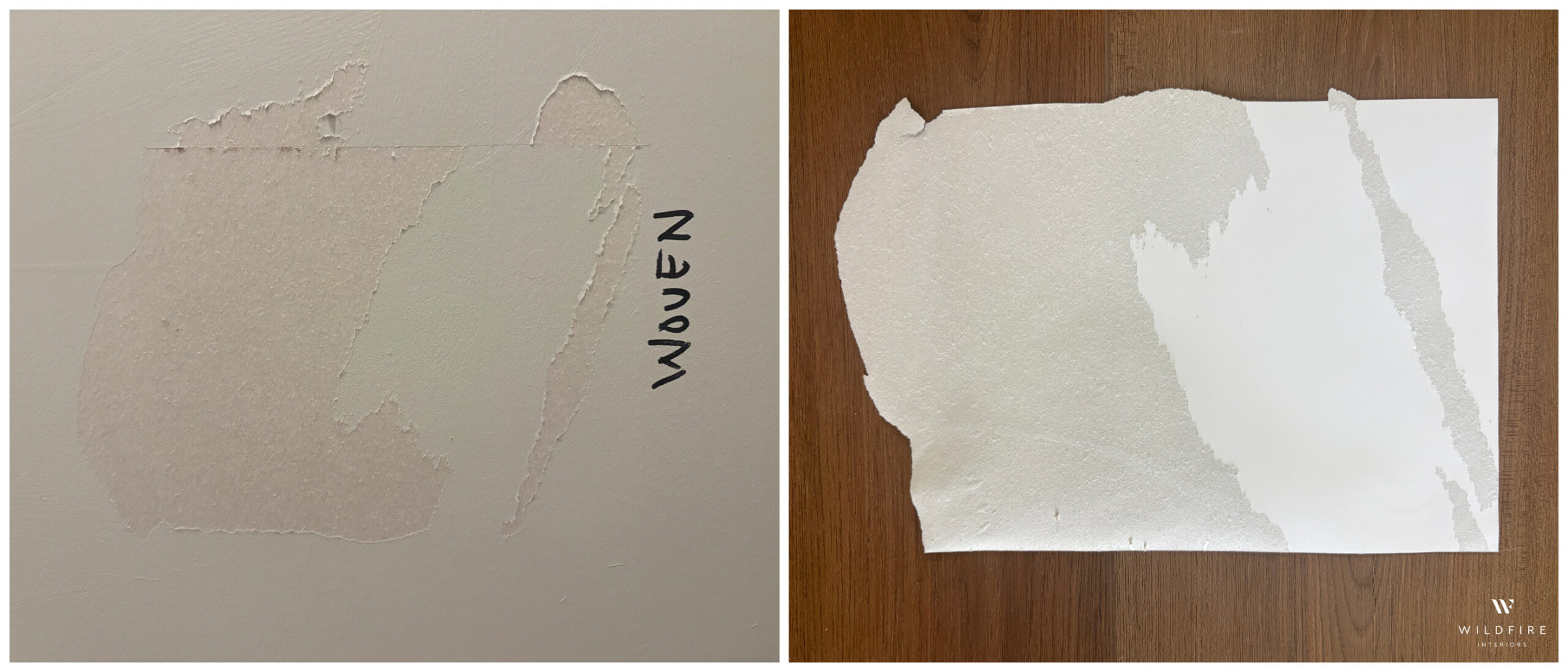
The interesting part is that the wallpaper (Tempaper) that severely damaged my office walls still caused damage, but not nearly as much.
Around this time, I also started seeing people mention that peel-and-stick wallpaper can shrink or start lifting around the three-month mark. I checked my office walls, and while most of the wallpaper still looks perfect, in the high areas that get direct sunlight, it is shrinking, wrinkling, and showing some wall between the seams.
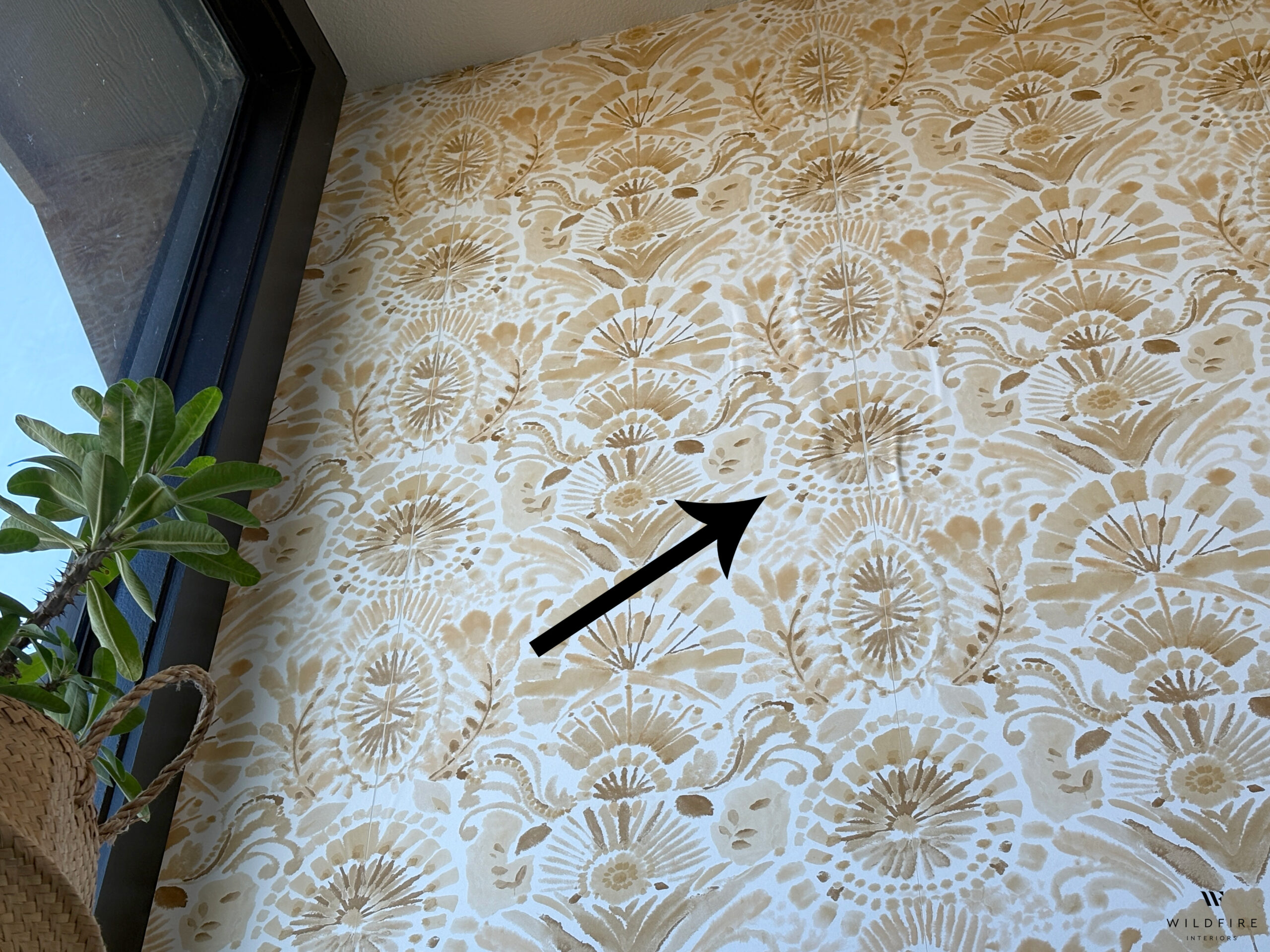
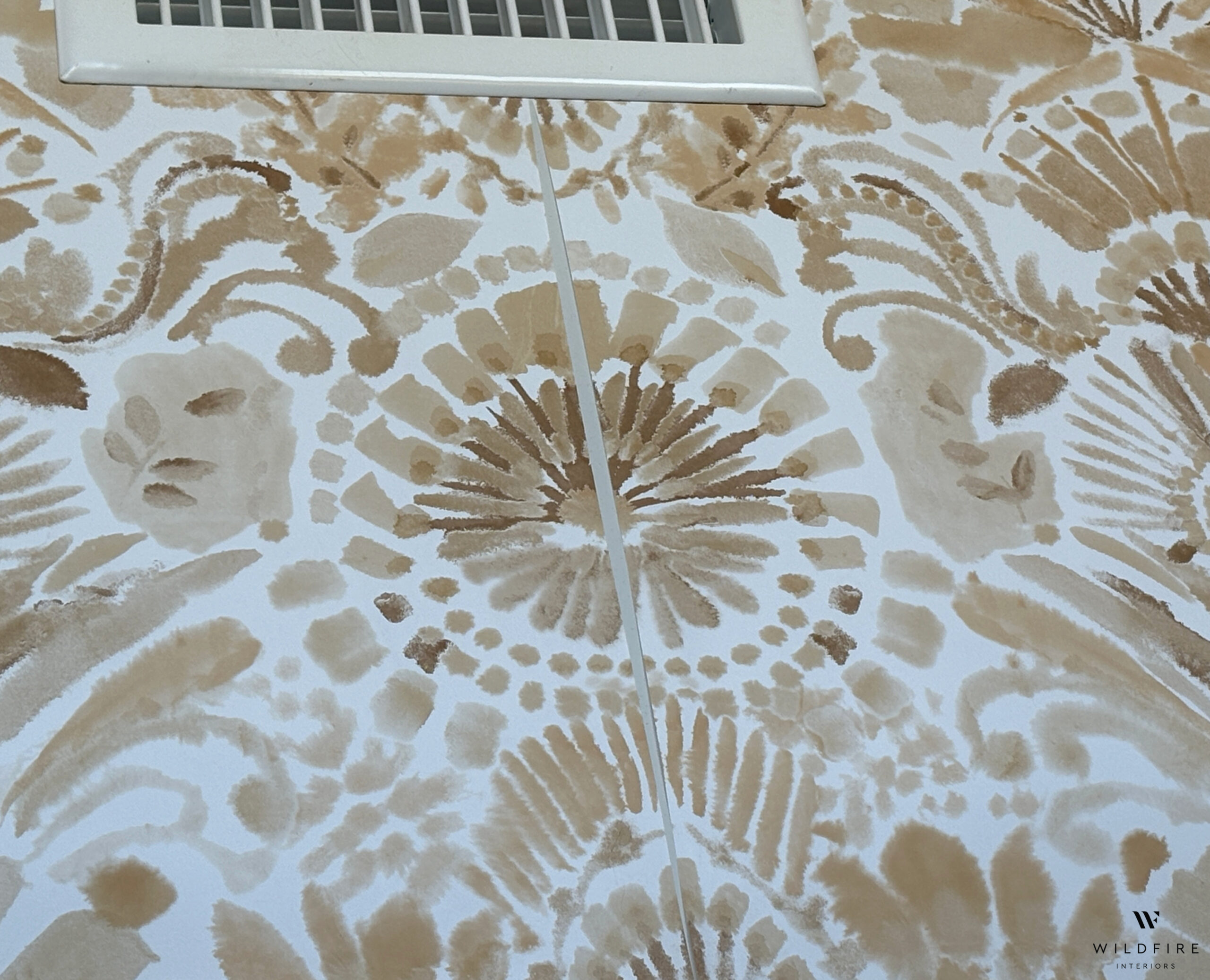
So I decided to test again, this time for three months.
Test #2: Removing Peel & Stick Wallpaper After Three Months
I repeated the same experiment, but this time I left them up for a quarter of a year. My goal now was to see if any of them started to fall off or shrink, as well as how cleanly they came off. I drew lines around the installed samples so I could periodically check for shrinkage…and then, I waited.

The results? None of them fell off or even had loose corners. No shrinkage. AND….11 out of 12 brands came off clean. HMMM.
Even the brand that caused major damage (Love vs. Design woven) was significantly less. Turns out, it’s not the brand that causes damage so much as TIME. According to my results, with time the adhesive becomes less sticky, not more. Which makes complete sense, but wasn’t really the result I was anticipating.
My conclusion after this three-month test was that you can pretty much use whatever peel-and-stick wallpaper you want, as long as you wait a decent amount of time before attempting to remove it.
It was a nice, clean, neatly packaged conclusion, and I was pretty excited about it. I love a happy ending.
In order to prove my point beyond a shadow of a doubt, I had to do one last test.
The Final Test: Removing Peel & Stick Wallpaper After Three Years
The final test was to remove my super-damaging office wallpaper after three years….the one that came off without damage on my three-month test. My guess was that after three years of “loosening’ it would come off fairly easily.
I didn’t take it all off…I like it. it’s staying. I just did a section that I could easily replace.
And…drumroll please….
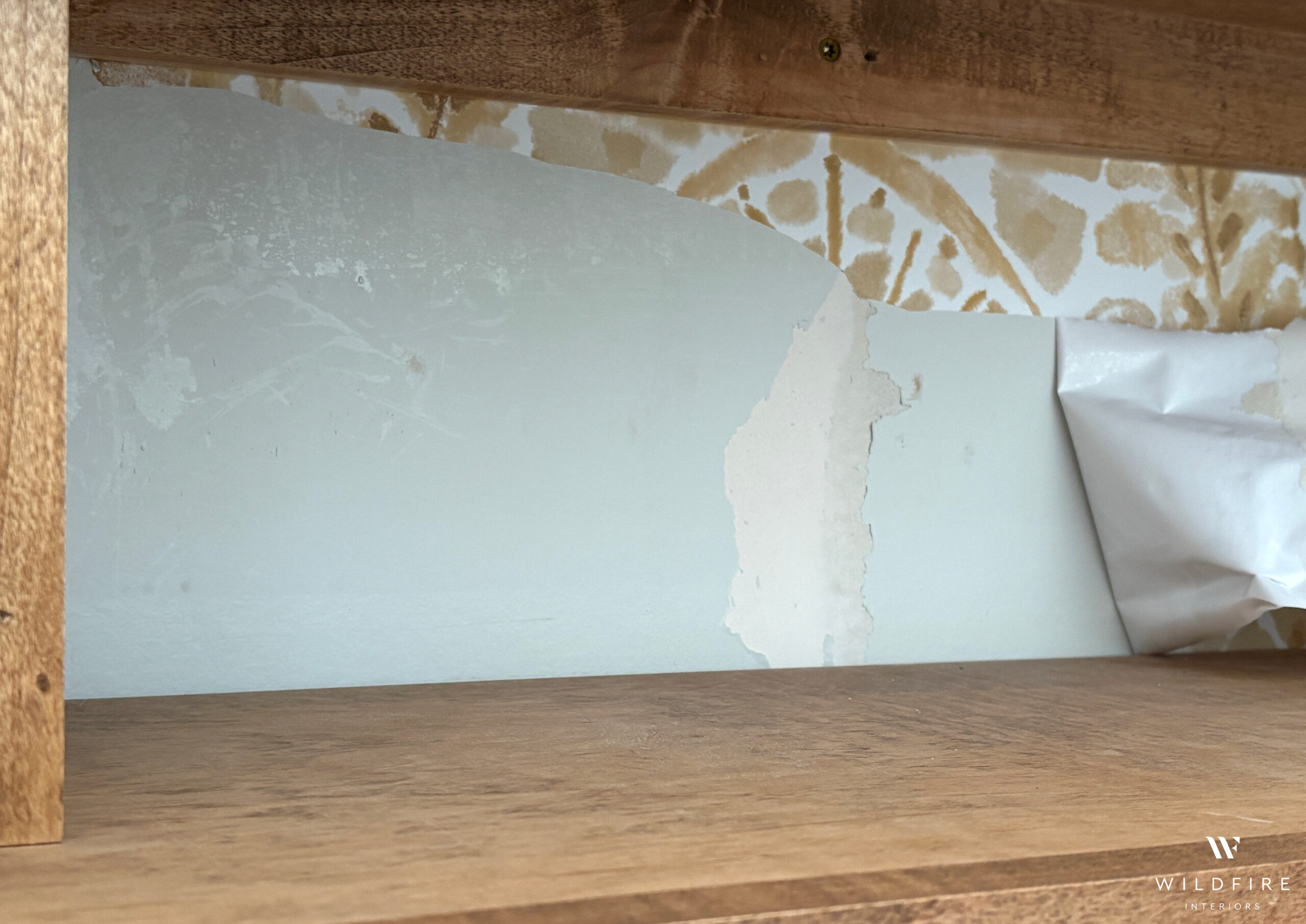
Damage. Freaking damage. Not only was it VERY hard to peel off, but it also left a weird residue and took the paint with it.
Not gonna lie, I felt defeated. Disappointed. My experiment didn’t wrap up nicely, and my well-packaged conclusion was gone.
So here is my new, messy, real-life conclusion.
My Conclusion: Peel & Stick Wallpaper Comes With Risk
I really wanted this post to end with certainty. A clean takeaway. A short list of “safe” brands and a confident recommendation so I could tie it all up with a bow.
That’s not what happened.
Peel-and- stick wallpaper is often marketed as renter-friendly, removable, and low-commitment. And sometimes, it absolutely is. Other times, it’s… not. Even when it behaves perfectly for months, that doesn’t guarantee it will behave the same years later.
Here’s what you need to know before using peel-and-stick wallpaper on smooth walls –
- The riskiest moment is right after installation. Peel-and-stick has a very strong initial tack. Over-adjusting, peeling it back repeatedly, or removing it too soon is when drywall damage is most likely to happen.
- Time changes the adhesive, but it doesn’t erase risk. In my testing, many wallpapers became easier to remove after a few months. But my three-year test proved that long-term installs can still cause damage.
- All brands are not created equal. Adhesive formulation, paper thickness, and material matter more than marketing. Some performed consistently better than others.
- Installation is harder than it looks. Full rooms are not a one-person job, and thin papers are much less forgiving than thicker ones. (see more here).
- Your walls matter. Paint quality, drywall age, prep, and surface conditions all play a role in how peel-and-stick behaves.
Peel-and-stick wallpaper isn’t all good or all bad, it just…depends. On the adhesive. The wall. The timing. The install. And sometimes, plain old luck. And while it’s not risk-free, I also don’t think it should be written off entirely. When you understand how it behaves and plan accordingly, it can still be a really good option.
Just don’t go into it thinking there’s zero downside…that assumption is where people get burned.
Adhesive Wallpaper Brand Notes
Here are my thoughts on each brand that I tested.
- InHome – I wouldn’t use this one, simply because it is so thin. I can tell you from experience that it is difficult to put up large sections of peel-and-stick wallpaper without getting wrinkles and having it “stretch” as you install. The thinner the wallpaper, the harder it would be.
- Floral Plus – I don’t have any specific complaints with this one, I just wouldn’t choose it out of all the options. It’s a smaller brand, fewer options, kinda has a weird texture, and…that’s it. Basing this opinion on a feeling.
- NuWallpaper – This would probably be my top recommendation from the less expensive, widely available category. It has good reviews. Lots of options. It has never damaged my walls, and came off clean in all my tests.
- RoomMates – Similar to NuWallpaper, would consider this one. It was also just acquired by WallPops (the brand that makes NuWallpaper) as another brand under their umbrella.
- Tempaper – This is the brand I used in my home, and I can’t recommend it. Extremely damaging to my walls.
- Threshold – I can’t give a solid opinion on this brand based on my experiments. Performed great in my textured walls tests (more on that in a future post) because it has a very strong adhesive, which makes me nervous for it on smooth walls.
- OpalHouse – Same as Threshold. Both are only sold at Target, so I wouldn’t be surprised if they are the same manufacturer.
- Rifle Paper Company – This is my top recommendation. I have never had it damage my walls in any test. Also, has never come off the wall in my textured wall tests, so it has a strong, but gentle adhesive. Further sleuthing shows that Rifle Paper Company wallpaper is manufactured by York Wallcoverings, which is one of the US’s oldest wallpaper producers. You can buy directly from their website, and I’ve also found some exclusive designs at Anthropologie.
- Love vs. Design – The company sells peel-and-stick with two textures, smooth and woven. The woven version was the most damaging of everything I tried. It majorly damaged my wall at one week, and was the only one to damage my wall at three months. The smooth version fared much better and came off clean at three months. While I’m hesitant to say I recommend it, I can tell you that this company has the coolest site and options. You can take any of their thousands of options and customize the colors by simply clicking a button. Then each wallpaper is printed custom. So, go check it out, and use it at your own risk (they also sell traditional wallpaper).
- Anewall – A smaller, boutique wallpaper brand that offers one-of-a-kind designs and murals, sister-owned and manufactured in Canada. This paper came off clean at three months and only did the teeniest bit of damage at one week. I feel safe recommending this one.
- Serena & Lily – I have nothing bad to say about this wallpaper; it didn’t cause any damage. That being said, I wouldn’t choose it for my home simply based on the fact that it is pretty pricey and doesn’t feel better quality than less expensive options.
- Spoonflower – Spoonflower wallpaper is the most unique of the bunch, because it is SO thick. I imagine it would be very easy to install. It performed well in my tests, with no damage after one week or three months. Also, it has SO MANY unique options. Whatever you are looking for, you can find it on Spoonflower. I would never purchase it to do a full room in my house though, because it’s very expensive. If you’re just doing a small area and want something unique and high-quality (or if budget isn’t a concern), this one could be a good fit.
My Brand Recommendations
LISTEN. I’m not saying these are the only brands that will work, nor am I guaranteeing they won’t do any damage. These are simply my top recommendations based on my experience, and the ones that I would personally choose to use.
Best Brand Overall –
- Rifle Paper Co. (York Wallcoverings)
- Runner-up – Anewall
Best Budget Option –
- NuWallpaper
- Runner-up – RoomMates
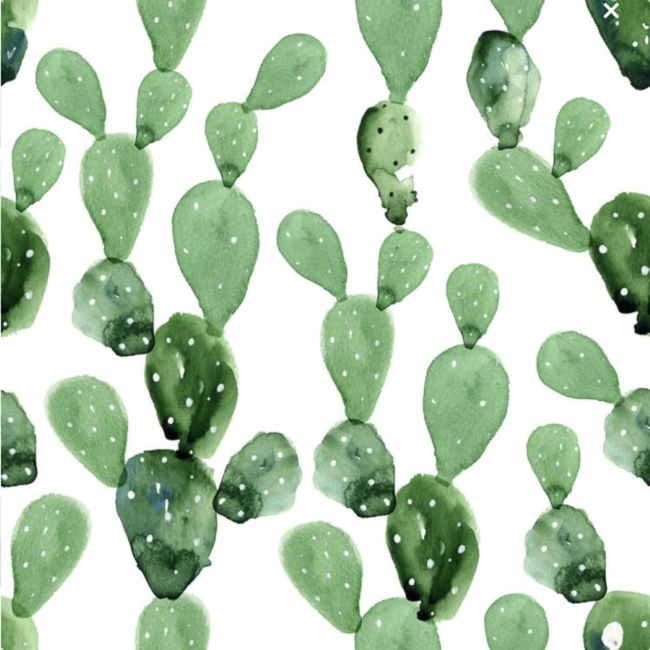
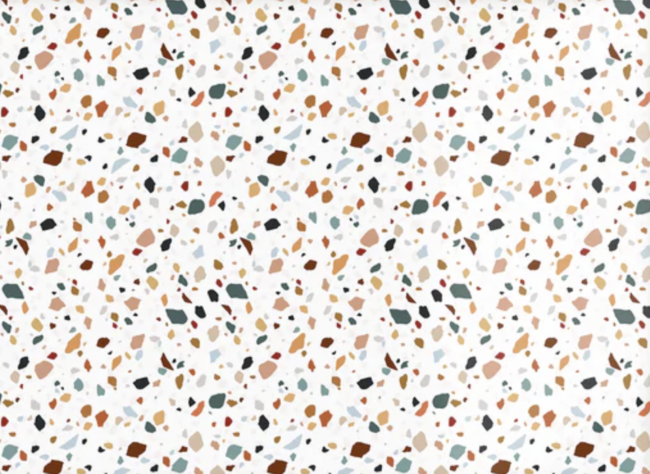
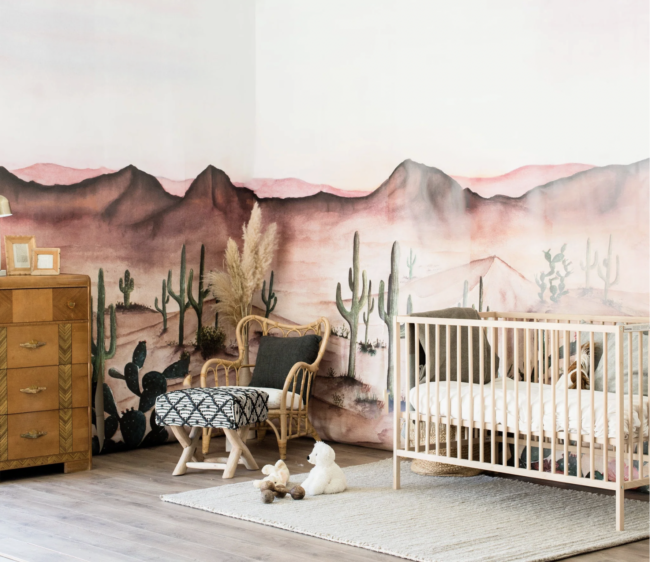
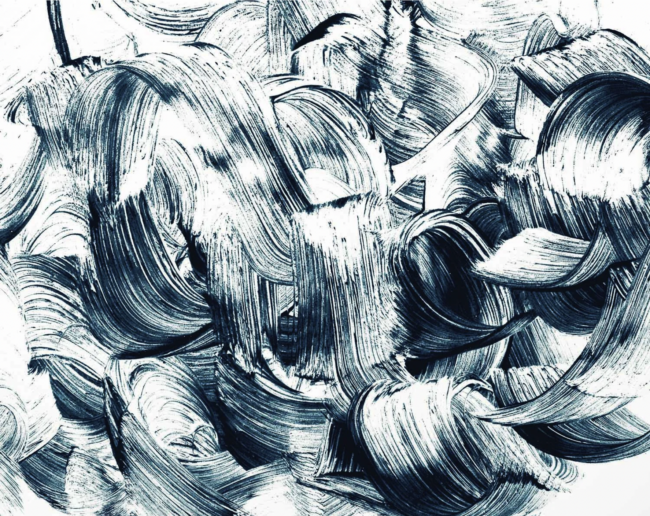
Favorite Designs from Recommended Brands
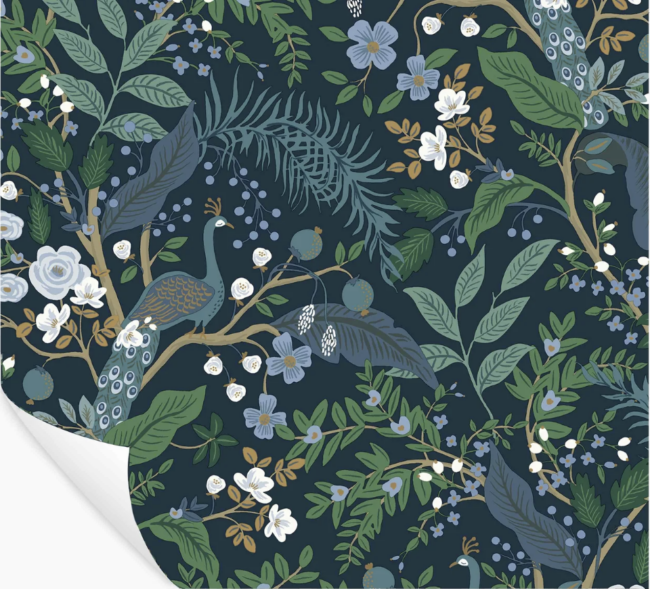
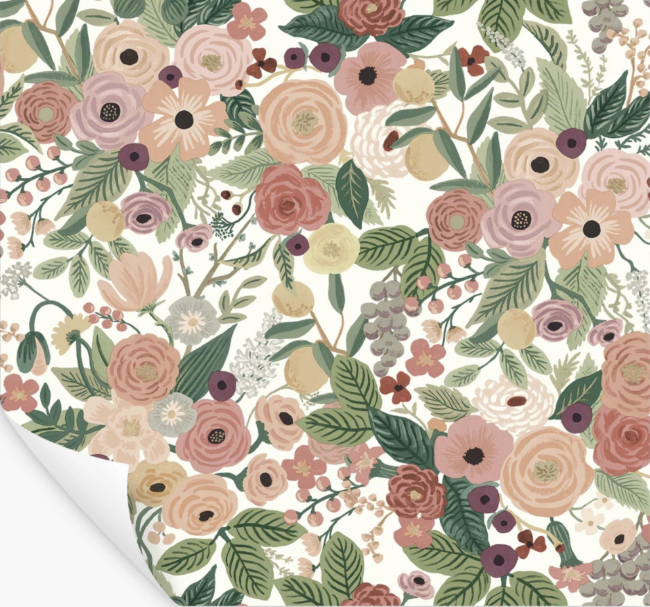
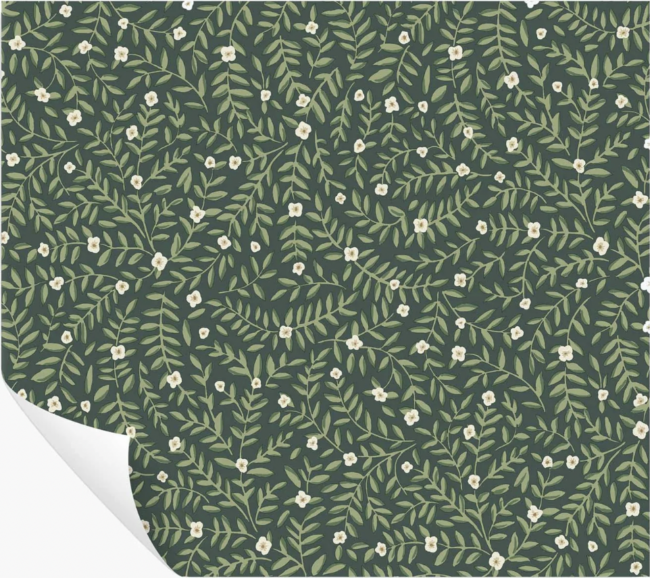
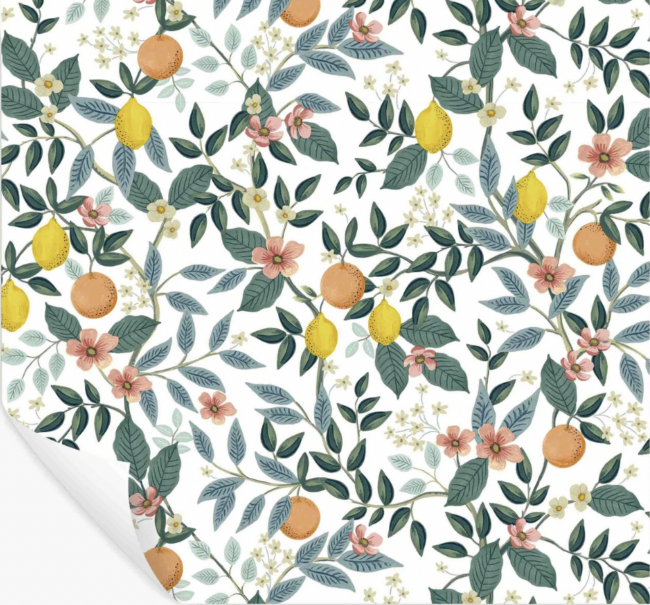
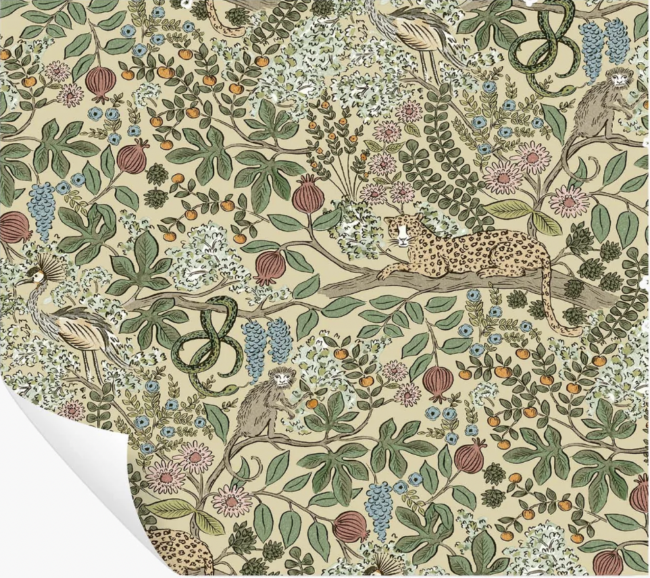
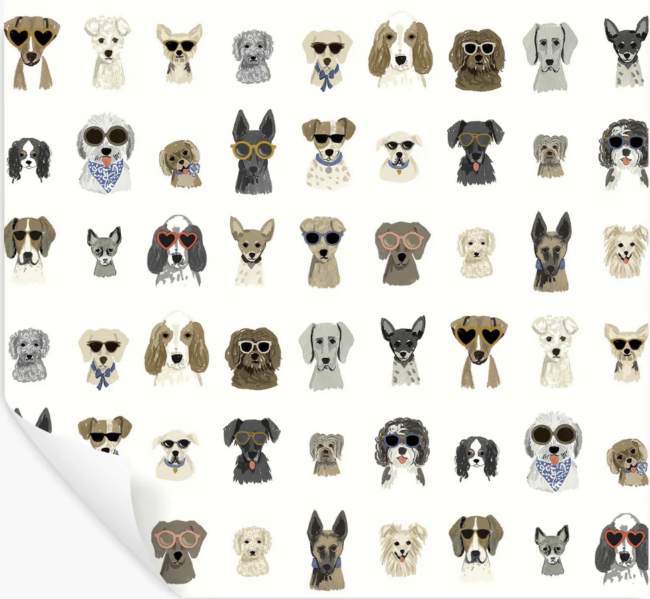
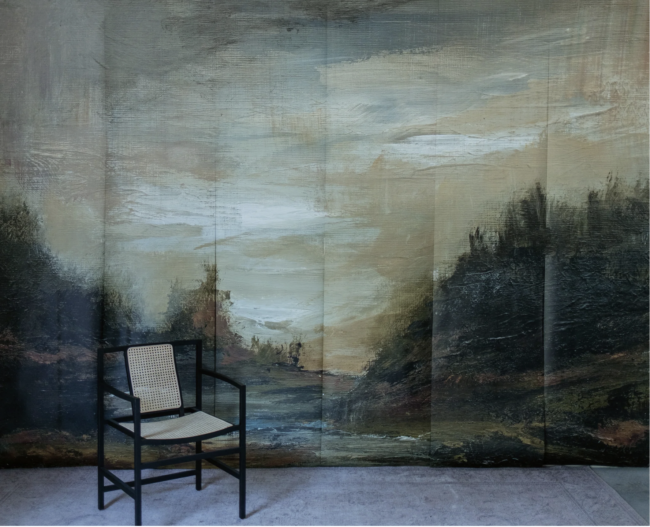
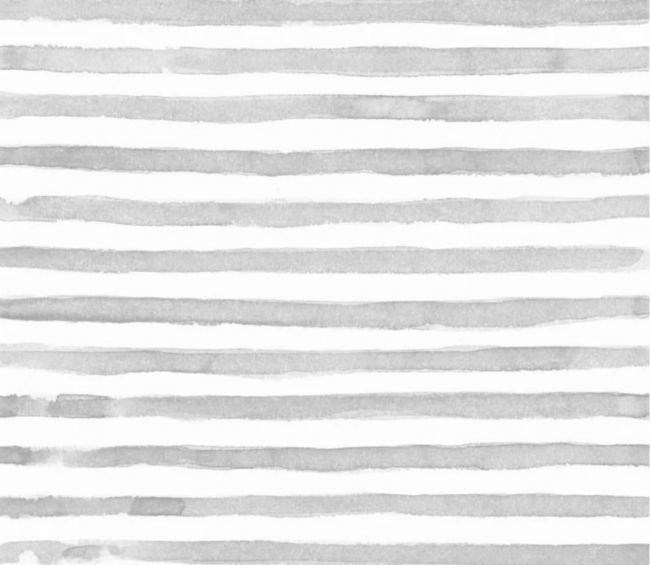
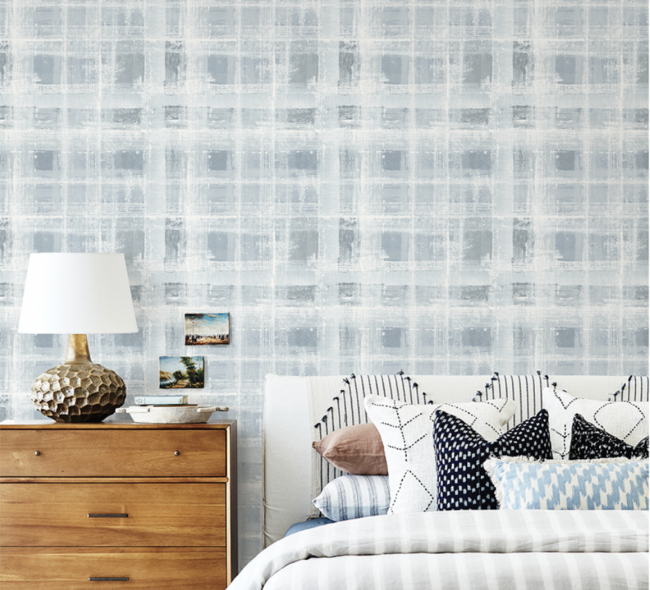
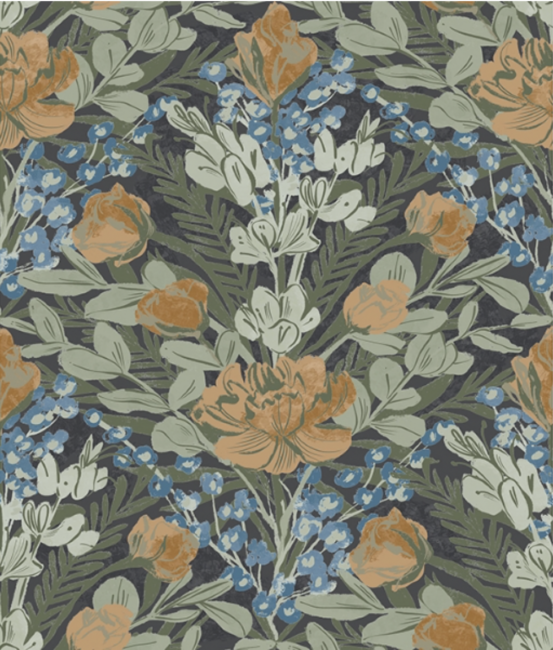
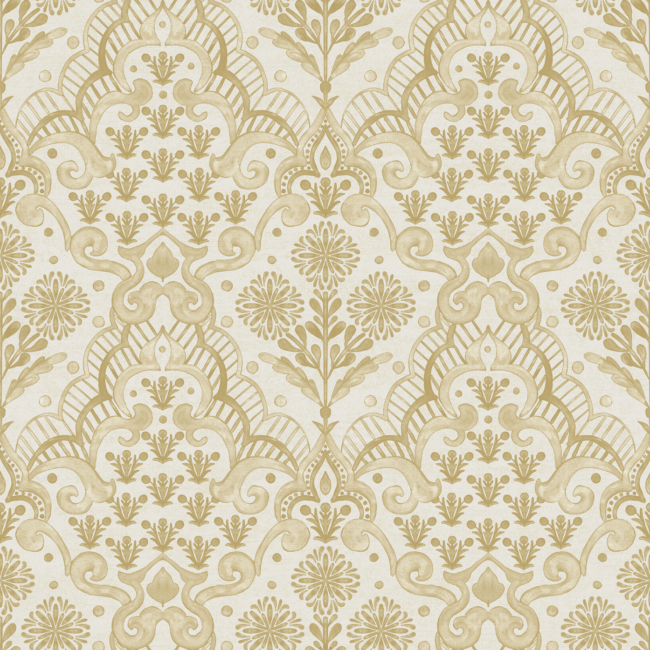
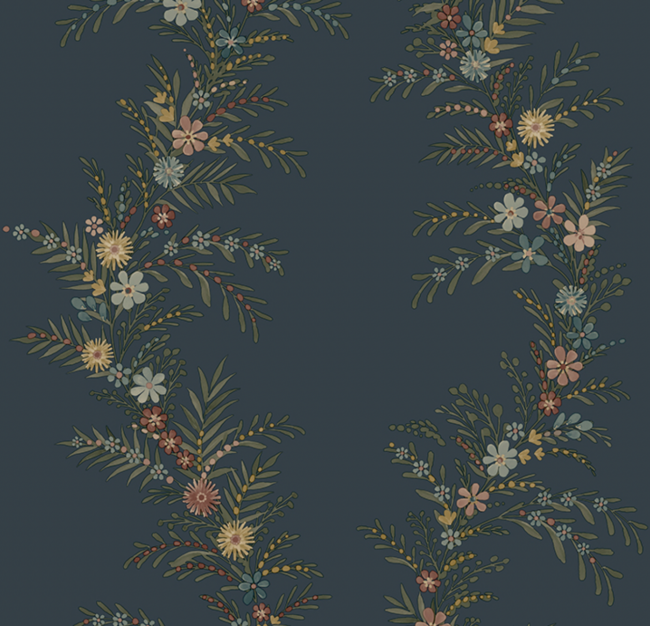
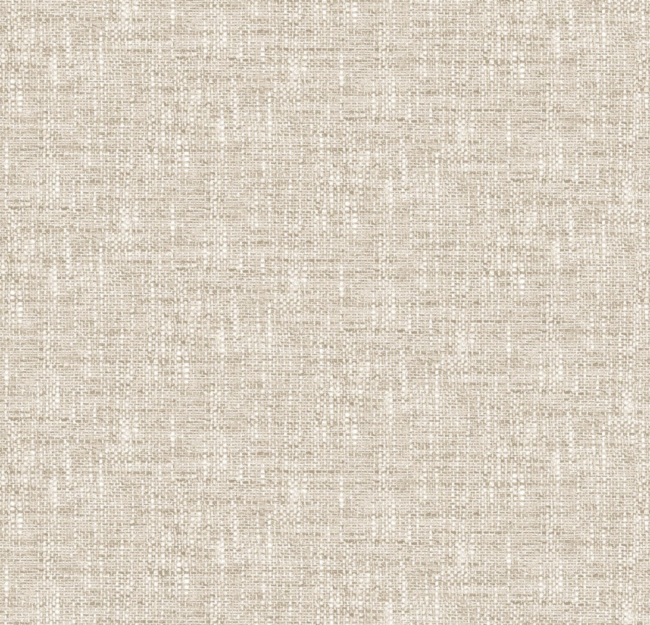
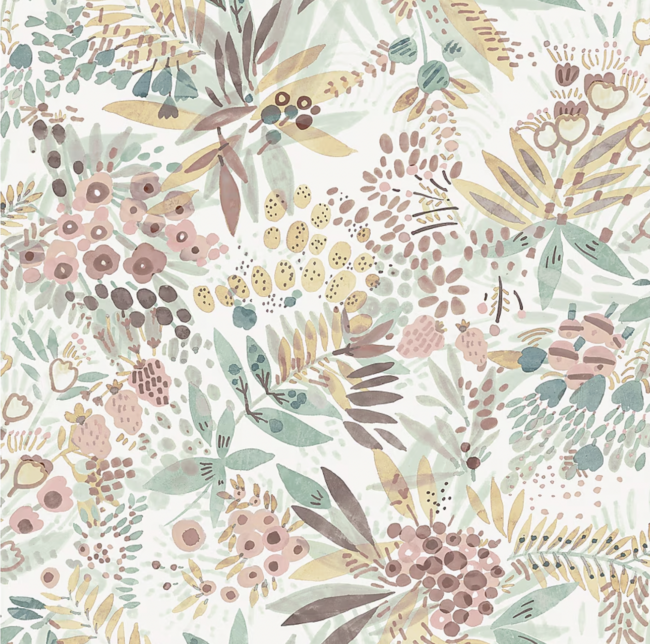
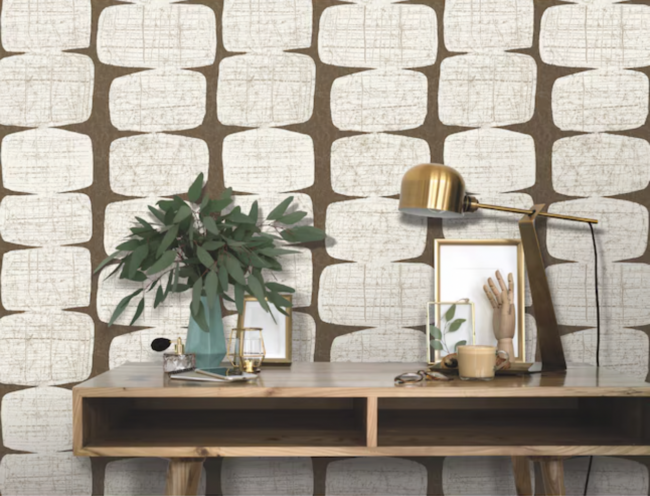
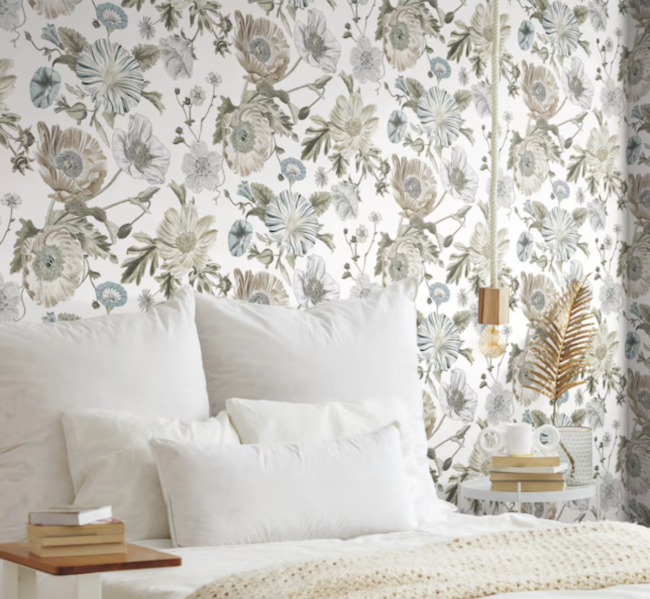
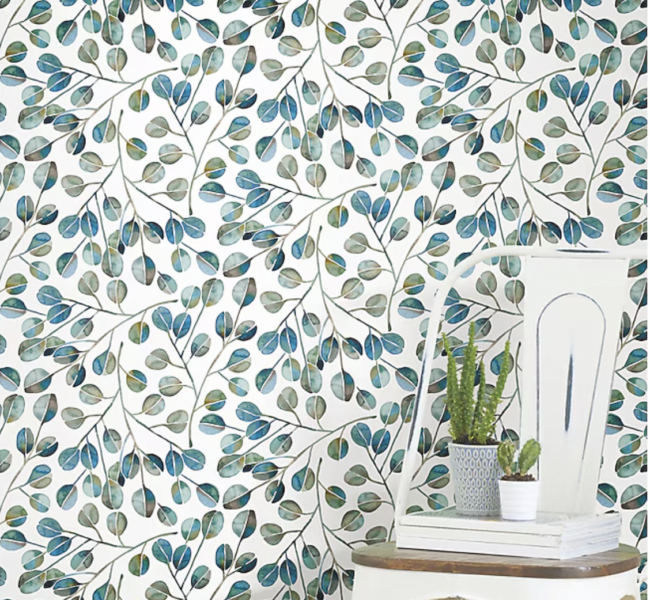
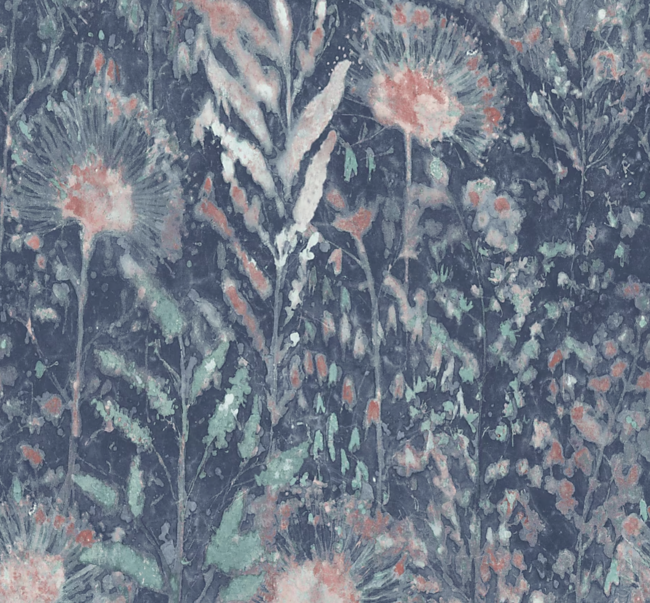
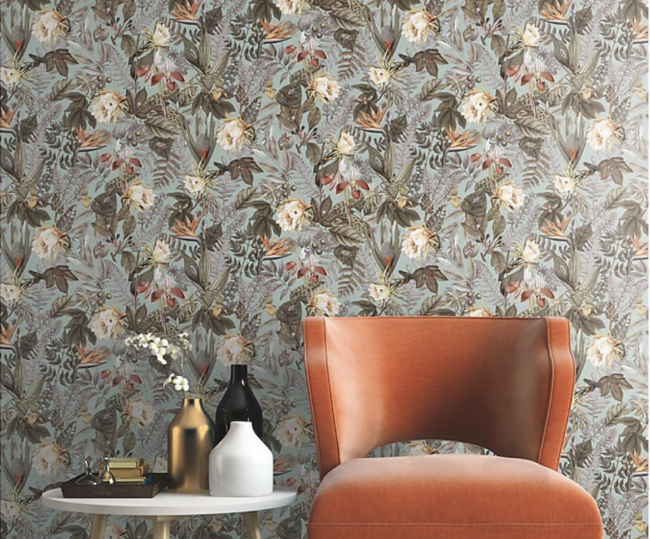
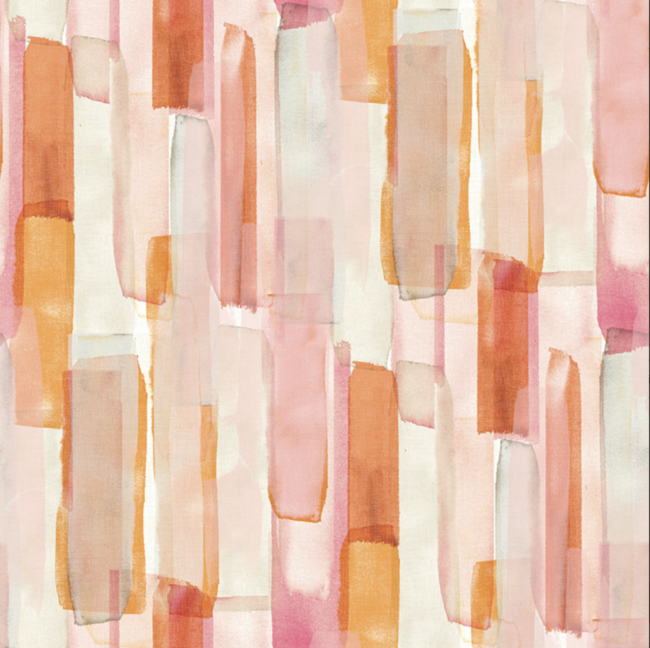
If you have textured walls, stay tuned, because I’ll be publishing those results shortly. In the meantime, here are a few other wallpaper posts I have written –
Well heck, this makes me think if I ever do wallpaper a powder bath or such, I’m just using normal paste wallpaper bc I know how to steam that stuff off beautifully! Seems easier to move the paper when you first stick it on the wall too.
I totally agree. When I wallpaper my primary bathroom in a few months, I will be using traditional pasted wallpaper.
I have successfully used RoomMates in my kitchen. It’s been installed for several years now, no peeling or issues. I do want to mention another brand that you might be interested in considering: d-c-fix. I have also installed it in my home, and it’s an even nicer quality than RoomMates, long lasting, peeled off very easily from lightly textured drywall with zero damage or residue when I decided to make a change after several years. Thanks for your patience with this project!
Good to hear about RoomMates! I haven’t heard of that other brand, but it’s nice to have good reviews from real people. There are so many brands out there, it’s impossible to test them all.
You know, I’m really glad you made this post. I’ve used peel and stick wallpaper quite a bit and had some “not as advertised” results as well. I tend to buy the cheap stuff from Amazon, which you’d expect to not be as good of quality, but here’s what I’ve noticed on the ones I’ve used:
https://www.amazon.com/dp/B0DB4N1Z26?ref_=ppx_hzsearch_conn_dt_b_fed_asin_title_3&th=1 Used on our living room TV wall, removes without any damage. HOWEVER. It shrunk so badly that after less than a year, I had to take down all of it (again, no damage to the drywall) and put it all back up again. It’s been four months and I was careful to slightly overlap this time, and there’s only one small piece where you can see it shrunk and created a seam. I’d recommend painting your walls a color that blends in with the wallpaper and letting it cure for at least a month before putting up this wallpaper.
https://www.amazon.com/dp/B09WZWQV92?ref_=ppx_hzsearch_conn_dt_b_fed_asin_title_11&th=1 No damage on removal, but this guy does not stick well! I think it might be because it’s a bit thicker? As long as I frame it in a bit with some crown trim or something similar, it holds fine, but otherwise it likes to sag under its own weight for the first few days.
https://www.amazon.com/dp/B09KGQ6PSD A+, no issues whatsoever. It’s been up the longest of these three – two years and some change – and it has zero damage on removal and zero shrinkage. It covers all of our laundry room walls fully. I only had a small issue with one patched in piece coming down slightly after two years. Smoothing it out with my hand and blasting it with a hair dryer on low heat was enough to reactivate the glue and it’s like new again.
Had you painted the walls first? It needs a semi glossy surface to work correctly.
Yes, they are painted with an eggshell finish